
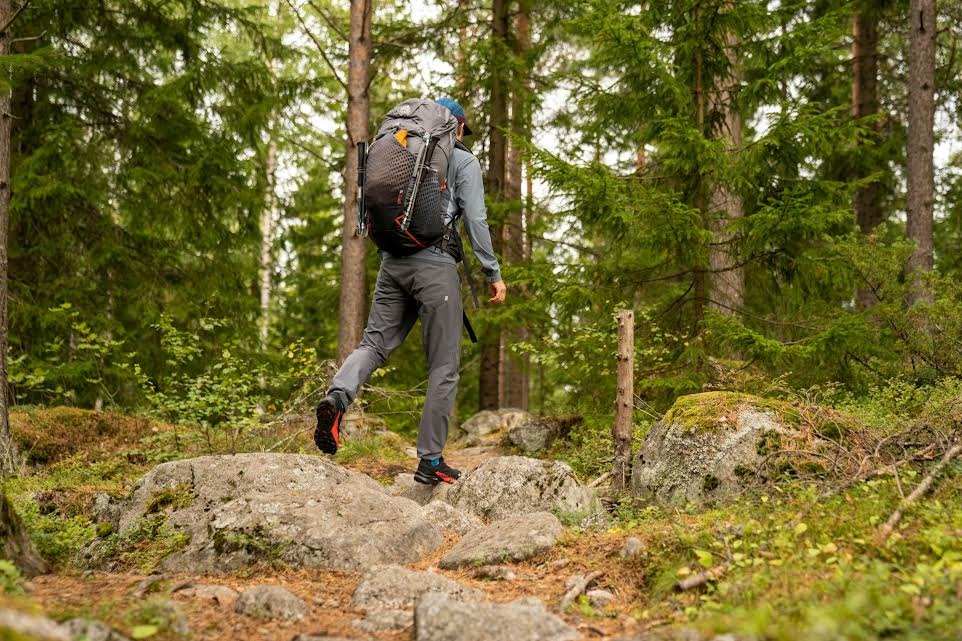
In a world increasingly dominated by screens, deadlines, and noise, trekking offers a chance to unplug and reconnect with nature. Beyond being an enjoyable outdoor activity, it has become a subject of growing scientific interest, especially regarding its impact on mental health.
In fact, research from psychology, neuroscience, and environmental medicine all point to the same conclusion: time spent walking in nature profoundly affects our emotional resilience, stress levels, and overall wellbeing. Therefore, trekking is not just exercise, it is a form of “nature therapy” that engages the body and mind in ways few other activities can.
How to Get Started: Essential Clothing and Equipment
Getting started with trekking is easier than many people expect. While you don’t need high-end equipment to enjoy your first hike, having the right essentials can make your experience safer, more comfortable, and overall, more enjoyable. The most important item is a pair of well-fitting hiking shoes or boots. Look for footwear with good grip and ankle support, especially if you plan to walk on uneven trails. Next, choose lightweight, moisture-wicking clothing, like the Beretta technical clothing for example, that keeps your body dry and regulates temperature. Layering is key: start with a breathable base layer, add a moisture-wicking layer, and top it off with a wind and rain resistant jacket.
A small backpack is essential for carrying water, snacks, sunscreen, and a map or GPS device. Trekking poles can help reduce knee strain and improve stability, especially on steep or rocky paths. If you’re venturing into more remote areas, pack a small first-aid kit, a headlamp, and a whistle for safety. For beginners, this simple gear list is more than enough to make the first trek a positive and confidence-building experience.
The benefits of Trekking on Mental Health
One of the most immediate benefits of trekking is stress reduction. Studies have shown that spending time in green environments lowers cortisol, the hormone most closely associated with stress. Unlike walking in busy urban streets or exercising in a gym, trekking places you in environments that soothe the nervous system. The rhythmic act of walking, combined with fresh air and natural landscapes, activates the parasympathetic nervous system, leading to reduced tension and a calmer mental state.
Trekking also plays a major role in boosting mood. Natural light exposure increases serotonin, a neurotransmitter associated with happiness and emotional stability. Meanwhile, physical activity stimulates the release of endorphins, the body’s natural mood enhancers. Combined, these effects create a gentle but powerful lift in emotional wellbeing. Even short hikes—20 to 40 minutes—can help reduce feelings of anxiety, improve emotional balance, and interrupt cycles of negative thinking.
In addition to emotional improvements, trekking enhances cognitive function. Natural environments give the brain a break from overstimulation, allowing attention and focus to recover. Many people experience improved creativity, problem-solving ability, and mental clarity after time on the trail. Some even use trekking as a regular strategy for brainstorming or resetting their mindset.
Finally, Trekking also fosters a sense of connection—both to the natural world and to oneself. Walking through forests, hills, or open landscapes encourages mindfulness, helping individuals tune into their breath, their footsteps, and the sensory experience around them. This meditative quality reduces mental noise and promotes emotional grounding. For many trekkers, the sense of accomplishment from reaching a viewpoint or finishing a challenging trail adds feelings of purpose and personal growth. Over time, these experiences strengthen resilience and cultivate a deeper sense of wellbeing.
