
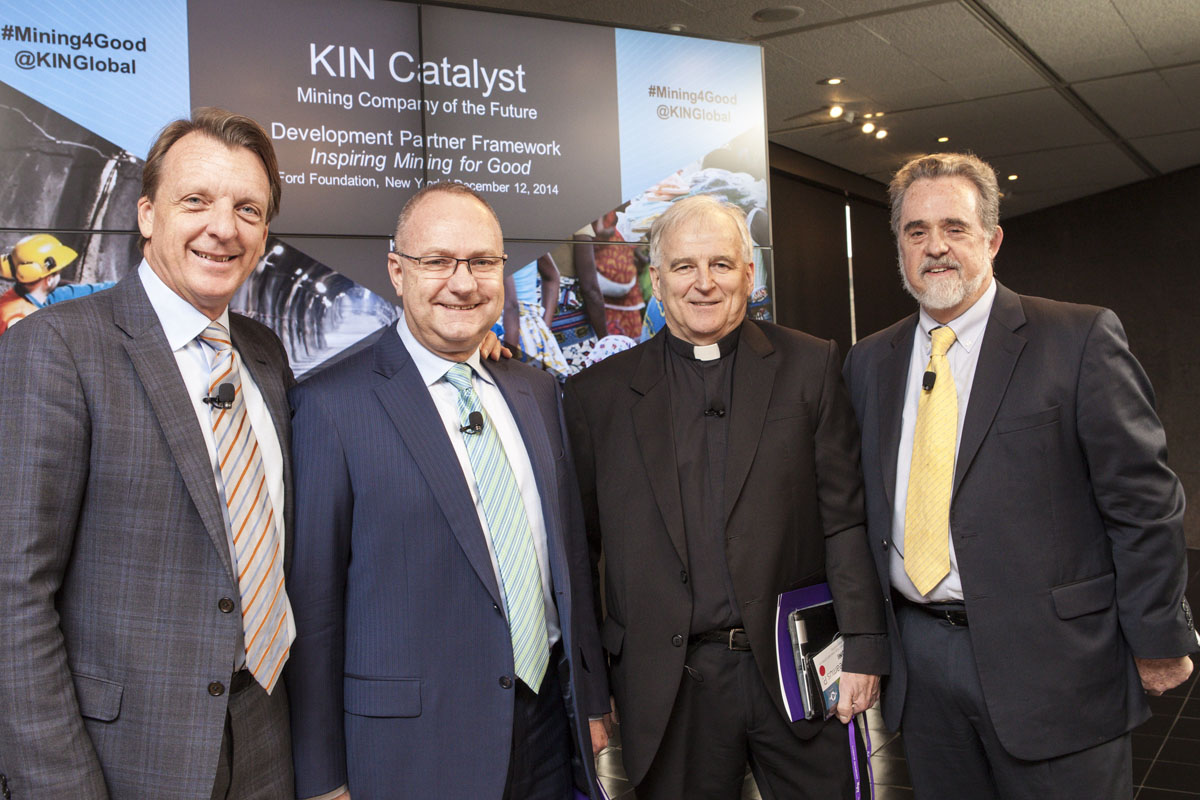
Introduction to the Kellogg Innovation Network
The Kellogg Innovation Network (KIN) is one of those rare platforms where academia, business, government, and social leaders all come together under one roof to discuss the future. Launched out of the Kellogg School of Management at Northwestern University, KIN isn’t just about business innovation—it’s about reimagining systems, solving global-scale challenges, and sparking meaningful dialogue that leads to real change.
Unlike many business conferences or leadership forums that remain strictly industry-focused, the Kellogg Innovation Network thrives on cross-pollination. Here, a tech entrepreneur may find themselves in conversation with a social activist, or a Fortune 500 executive might exchange ideas with a scientist working on renewable energy. The idea is simple but powerful: innovation doesn’t happen in silos; it flourishes when diverse perspectives intersect.
At its core, KIN is more than a network—it’s a community. It is a gathering place for forward-thinkers who are passionate about transforming the future of business, society, and technology. And what makes it special is that participants don’t just talk about ideas; they explore tangible solutions and collaborations that extend beyond the conference halls.
The Origins of the Kellogg Innovation Network
The Kellogg Innovation Network was founded in 2003 by Professor Robert C. Wolcott, a thought leader in innovation and growth strategy. His vision was to create a space where leaders from different fields could step away from daily operations and instead focus on the “big picture.” By creating a structured yet free-flowing environment, KIN allowed these minds to explore ideas that could shape the future.
The Kellogg School of Management itself has long been known as a pioneer in business education. Ranked among the top business schools globally, Kellogg has a history of producing leaders who think beyond profitability and integrate values like collaboration, sustainability, and long-term growth. So, it was only natural that an innovation forum of this scale would grow out of its ecosystem.
What started as a relatively small gathering has since grown into a global community. The KIN conferences, known as KIN Global, attract hundreds of participants every year from across industries and continents. From Fortune 500 companies to NGOs and government officials, the diversity of its participants gives it a unique flavor that sets it apart from other innovation platforms.
The Purpose and Mission of KIN
At the heart of the Kellogg Innovation Network’s mission is the belief that solving global challenges requires collaboration. The problems humanity faces—climate change, healthcare access, economic inequality, and technological disruption—cannot be solved by one industry or one country alone. Instead, they require collective intelligence and bold thinking.
KIN emphasizes three key goals:
- Facilitating Cross-Disciplinary Dialogue – By bringing together leaders from different fields, KIN ensures that the conversations go beyond industry echo chambers. A business executive learns from an academic, while a policymaker gains insights from a social entrepreneur.
- Encouraging Responsible Innovation – Innovation for the sake of innovation is not enough. KIN emphasizes that ideas should be not only profitable but also responsible and sustainable. The focus is on long-term positive impact rather than short-term gains.
- Building a Community of Changemakers – KIN doesn’t end when the conferences do. Its mission is to build a lasting network of individuals who continue to collaborate, experiment, and share knowledge even after they leave Northwestern University.
These goals highlight why the Kellogg Innovation Network has become a respected hub for big-picture thinking. It isn’t just another event series; it is a movement that pushes leaders to embrace change and rethink their roles in shaping the world.
KIN Global: The Flagship Event
One of the most recognized elements of the Kellogg Innovation Network is its annual KIN Global conference. Held at Northwestern University, this event brings together over 500 leaders from around the world. The format is unique compared to traditional conferences. Instead of a rigid agenda filled with keynote speeches and panels, KIN Global emphasizes interactive sessions, workshops, and collaborative problem-solving.
A hallmark of KIN Global is its emphasis on storytelling. Participants are encouraged to share not just their successes, but also their failures and challenges. This honesty fosters trust and helps participants learn from each other on a deeper level. It’s not uncommon to hear a CEO share the mistakes that nearly toppled their company, or a social entrepreneur discuss the cultural barriers they faced when scaling their project in developing countries.
Another defining feature of KIN Global is the inclusion of Global Summits that focus on pressing issues. These summits bring diverse stakeholders into one room to develop fresh solutions to global challenges such as water scarcity, energy sustainability, or the ethics of artificial intelligence. The collaborative energy at these sessions is often described as electric, with leaders leaving inspired and committed to taking action in their own organizations.
Themes Explored at KIN
Every year, the Kellogg Innovation Network selects themes that reflect the shifting priorities of the global landscape. These themes are carefully chosen to spark dialogue and push participants to think beyond their comfort zones.
For example, in past years, themes have included:
- Resilience in a Time of Disruption – exploring how businesses and societies can adapt to unforeseen challenges like financial crises or pandemics.
- The Human Experience in the Digital Age – examining how technology impacts everything from consumer behavior to ethics and privacy.
- Sustainability and Growth – discussing how businesses can scale profitably while also contributing positively to environmental and social outcomes.
These themes ensure that the KIN events remain timely, relevant, and thought-provoking. They push attendees to consider the moral, ethical, and long-term implications of the choices leaders make today.
The Global Impact of KIN
The influence of the Kellogg Innovation Network extends well beyond its annual conference. Over the years, KIN has inspired partnerships, startups, and initiatives that tackle real-world issues. Some participants have gone on to launch projects directly influenced by conversations at KIN Global, while others have used insights gained to reshape their corporate strategies.
KIN’s global network also ensures that ideas don’t stay confined to the United States. With participants from Europe, Asia, Africa, and Latin America, the insights and innovations flow across borders. This global reach is critical because many challenges—such as climate change or global health crises—are inherently international in nature.
Moreover, KIN plays an indirect role in shaping how businesses approach innovation. By emphasizing collaboration, responsibility, and long-term thinking, it challenges companies to move away from short-term profit-maximizing approaches and instead consider broader societal implications.
Why the Kellogg Innovation Network Stands Out
There are countless conferences and forums dedicated to innovation, but the Kellogg Innovation Network is unique for several reasons.
First, it is rooted in an academic institution with a strong reputation. The credibility of the Kellogg School of Management ensures that the discussions are research-driven and grounded in academic rigor. At the same time, KIN maintains a practical, real-world focus, ensuring that theory meets application.
Second, the diversity of participants sets KIN apart. Instead of limiting the audience to one sector, KIN actively seeks diversity. The result is an environment where a startup founder from Nairobi might find themselves brainstorming with a Silicon Valley investor or a government policymaker from Europe.
Finally, the community aspect makes it more than a one-off event. Participants often stay connected long after the conference ends, continuing to exchange ideas, form partnerships, and collaborate on projects. This ongoing network ensures that KIN’s impact is not temporary but long-lasting.
The Future of the Kellogg Innovation Network
Looking ahead, the Kellogg Innovation Network is likely to play an even more critical role in shaping the future of global collaboration. With challenges like climate change, rapid technological disruption, and shifting geopolitical landscapes, there is a growing need for forums that foster dialogue and cooperation across industries and nations.
One area where KIN is expected to expand is in the digital space. While the in-person conferences remain its flagship events, virtual collaboration platforms allow KIN to maintain engagement year-round. This ensures that even those who cannot attend physically can still contribute to and benefit from the network.
Furthermore, as younger generations of leaders—particularly millennials and Gen Z—take on more leadership roles, KIN is likely to evolve in ways that reflect their values. Expect more emphasis on sustainability, diversity, and inclusivity as these topics continue to rise in importance.
Conclusion: Why KIN Matters Today
The Kellogg Innovation Network is more than just a gathering of bright minds. It represents a shift in how leaders approach innovation—one that is collaborative, responsible, and globally minded. By fostering conversations across boundaries, KIN helps create solutions that are not only innovative but also ethical and sustainable.
