
Introduction
Honey in the United States is usually associated with everyday comforts. It sweetens tea, tops biscuits, and shows up in everything from barbecue sauces to herbal remedies. Yet not every type of honey behaves the same way. Some varieties carry stories that stretch across mountain ranges and centuries of tradition. One of the most intriguing examples is rhododendron honey.
This rare honey comes from bees that gather nectar from rhododendron flowers growing in high-altitude regions. The result is a honey known not only for its distinct taste but also for its unusual natural properties. For American consumers who enjoy exploring unique foods or specialty products, rhododendron honey offers a fascinating blend of nature, culture, and history.
Learning about where it originates and how it is harvested also highlights an important point. Anyone curious about this honey should understand the concept of a safe mad honey dose before trying it.
Where Rhododendron Honey Begins
Rhododendron honey originates in mountainous regions such as Nepal, parts of Turkey, and areas across the Himalayas. These landscapes are filled with wild rhododendron plants that bloom dramatically during certain seasons.
When bees forage among these blossoms, they collect nectar containing naturally occurring compounds called grayanotoxins. These compounds eventually become part of the honey stored inside the hive, giving rhododendron honey its distinctive qualities.
The honey often has a reddish or amber tint. Its taste can be surprisingly complex as well. Some describe it as floral with a slightly bitter edge, far removed from the mild sweetness many Americans expect from typical clover or wildflower honey.
Because of its unusual chemistry and flavor, rhododendron honey has drawn interest from curious consumers, food enthusiasts, and natural health communities alike.
A Tradition Carved Into Cliff Faces
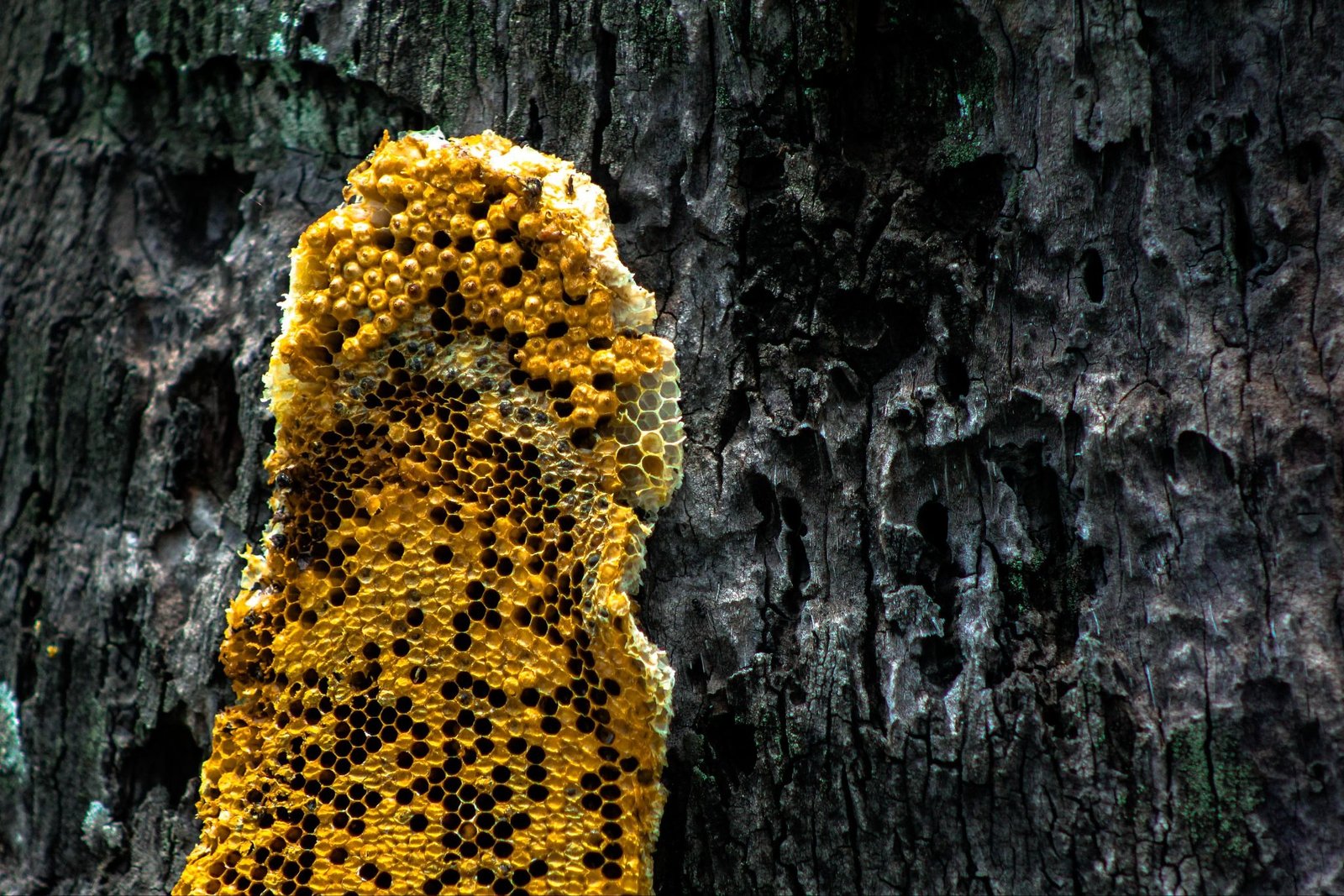
The harvesting process behind rhododendron honey is just as remarkable as the honey itself. In many Himalayan communities, collecting the honey remains a traditional activity known as honey hunting.
Imagine towering cliffs rising above dense forests. Wild colonies of Himalayan giant bees build enormous hives directly onto the rock faces. Reaching these hives requires courage and years of experience.
Honey hunters climb the cliffs using long rope ladders crafted from natural fibers. Smoke from small fires is used to calm the bees while hunters carefully cut sections of honeycomb and lower them to the ground below.
The scene feels almost like something from an adventure film. Yet for local communities, this practice has been passed down through generations. It represents a seasonal ritual tied to both survival and cultural identity.
Why Mad Honey Has Unique Effects
The unusual reputation of rhododendron honey comes from the grayanotoxins found in rhododendron nectar. These natural compounds interact with certain receptors in the body.
When consumed in small amounts, the honey may produce mild sensations such as warmth or relaxation. That is why discussions about rhododendron honey often include guidance about the appropriate mad honey dose.
A small mad honey dose is generally considered manageable by individuals familiar with the product. However, larger amounts may lead to stronger effects such as dizziness or lowered blood pressure.
This does not make the honey dangerous by default. Instead, it highlights the importance of moderation and knowledge. Just as Americans approach strong herbal supplements or traditional tonics with care, rhododendron honey should be enjoyed thoughtfully.
From Remote Mountains To Curious Consumers
Although its origins lie in remote mountain regions, rhododendron honey has gained attention across the world. Online marketplaces, travel documentaries, and social media have introduced the honey to curious buyers in the United States.
For many people, the appeal goes beyond the honey itself. The dramatic harvesting stories and rugged landscapes where it is collected create a sense of authenticity that modern food culture often values.
Still, growing demand also brings responsibility. Ethical suppliers work with local honey hunters and communities to ensure that harvesting remains sustainable and respectful of traditional practices.
Along with responsible sourcing, clear information about the correct mad honey dose helps consumers appreciate rhododendron honey safely while respecting the traditions behind it.
Conclusion
Rhododendron honey is far more than an unusual sweetener. Its journey begins among mountain flowers, continues through daring cliffside harvesting traditions, and eventually reaches curious consumers around the world.
The honey’s distinctive properties come directly from rhododendron nectar, which is why understanding the appropriate mad honey dose is essential for anyone interested in experiencing it responsibly.
As awareness of rare and traditional foods grows across the United States, rhododendron honey stands out as a product with both cultural depth and natural intrigue. Those interested in exploring authentic rhododendron honey can contact Maddest Mad Honey to learn more or place an order.
